
Common Causes Behind a Continuously Running Motor
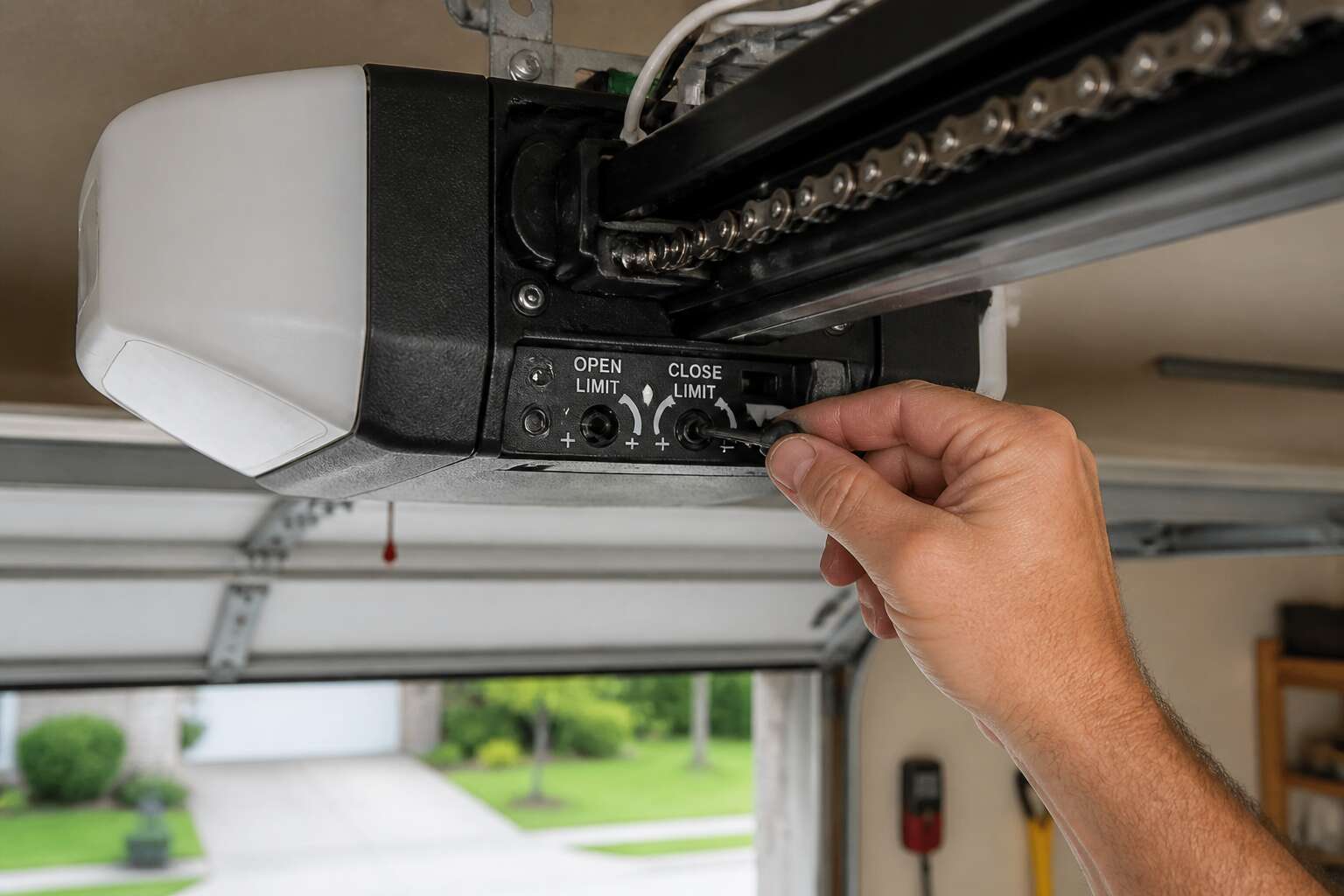
Faulty Limit Switch Settings
On a smallholding outside Nelspruit, a garage door motor that refuses to stop is more than a nuisance. It is a warning. The limit switch is the mechanism that tells the motor where the door begins and ends. Faulty limit switch settings are the most common reason a garage door motor keeps running long after the door has closed. The switch either drifts out of alignment or its contacts wear down from years of grit and humidity.
Coastal air corrodes the terminals. Inland, fine red dust packs into the housing. Both conditions dull the switch’s sensitivity. The motor receives no stop signal, so it continues to drive the trolley against the steel tracks. When that happens, the garage door motor keeps running until the thermal cutout engages or something gives way.
- A bent sprocket that distorts the limit cam
- Loose mounting screws that allow the switch body to rotate
- Burnt contacts from repeated voltage surges
These faults produce the same symptom, yet a careful ear can hear the difference. The motor strains, the chain rattles, and somewhere inside the small gearbox, heat builds while the door stays firmly shut.
Malfunctioning Safety Sensors
Safety sensors perform a crucial function. These photoelectric devices sit low on the track, watching for obstructions. When they fall out of alignment, they send conflicting signals to the control board. A motor that should stop instead keeps grinding! The garage door motor keeps running, driving the trolley until something bends or breaks.
Here is what I see most often when I inspect a stubborn door:
- A sensor bracket nudged loose by a passing trolley or bicycle
- A spider’s web or fine Karoo dust dimming the lens
- Frayed wiring where the cable enters the housing, corroded by humidity and salt
Each condition interrupts the beam. The controller loses the signal, so the motor never receives the command to halt. The safety system, designed to protect, becomes the very reason the garage door motor keeps running.
Stuck Wall Button or Remote
A stuck wall button or remote is a common culprit. The microswitch inside the button is a mechanical part. It receives thousands of presses over its life. When the contact sticks, the garage door motor keeps running because the control board never gets a stop command.
- a button that feels spongy or does not click
- a remote with a collapsed rubber keypad
- wiring that moves when you wiggle the wall unit
A remote’s membrane can also fail after years of exposure to Karoo heat and dust. Moisture from a sweaty pocket corrodes the internal contacts. Each failure sends a false run signal. The controller never receives a stop signal, so the garage door motor keeps running even after the door reaches its limit. The motor strains against the locked trolley. That strain bends track brackets and strips gear teeth. A simple stuck switch turns into a major repair.
Broken Drive Gear or Chain
The drive gear and chain transmit power from the motor to the trolley. When the gear teeth strip or the chain snaps, the motor loses its connection to the trolley. You hear the garage door motor keeps running, yet the door stays put!
A stripped gear produces a telltale grinding sound. The motor spins freely because the gear no longer engages the chain. A snapped chain leaves the trolley dangling, and the motor runs until the internal thermal overload kicks in. In my experience, the problem usually lies in the physical connection between the motor and the door.
Here are the common failure points:
- Stripped nylon gear teeth on the motor shaft
- A stretched or snapped chain that skips the sprocket
- A broken coupler that separates the motor from the drive shaft
Each failure produces the same result. The garage door motor keeps running while the door remains stationary.
Diagnosing the Problem Safely and Quickly
Power Down and Manual Disconnect
Ten seconds of continuous running after the door closes is already too much. When a garage door motor keeps running, heat builds inside the operator housing. Kill the power immediately! Unplug the unit from the wall outlet, or trip the dedicated breaker on your distribution board. This stops electrical flow and prevents further damage.
Once the humming stops, locate the emergency release cord, a red T-handle hanging from the operator rail. Pull it down firmly. This manual disconnect mechanism frees the carriage from the trolley, enabling manual door operation. Lift the door and inspect for obstructions or binding tracks. If the door moves freely by hand, the issue lives inside the motor assembly. If it sticks or drags, you face a separate mechanical problem. A door that binds explains why the garage door motor keeps running; the motor strains against resistance it was never built to handle.
Inspecting the Motor Unit Components
After the power is killed and the door moves freely, focus shifts to the motor unit itself. A garage door motor keeps running because an internal component fails, often a relay or capacitor. Open the metal housing carefully. The first inspection should be visual and safe!
- Drive belt tension and condition.
- Capacitor for swelling or scorch marks.
- Circuit board for burnt spots or cold solder joints.
Each symptom reveals a separate failure. A garage door motor keeps running when a relay fuses shut, keeping the circuit live. Or a capacitor fails; the motor gets power but loses direction. I find observation alone reveals much.
Testing the Limit Switches
Before touching anything, confirm the door is fully disengaged from the motor. A garage door motor keeps running when the limit switch fails to signal the stopping point, so you need to test it directly. Use an insulated screwdriver to gently tap the switch terminals while listening for a click. That click tells you the contacts are still alive.
For a more precise read, set a multimeter to continuity mode and place the probes on the switch leads.
- Close the circuit manually and watch for a reading.
- Release the switch and see if the meter drops to zero.
If the reading stays constant, the switch is fused. Replace it immediately. Safety first: wear insulated gloves and keep the motor unplugged until the test is set up. A garage door motor keeps running only when a component hides its failure, and the limit switch is a common hiding spot.
Checking Wiring and Capacitors
One swollen capacitor holds enough stored charge to shock you long after the breaker has flipped. South African mains run at 230 volts. Stored energy bleeds off slowly with no load attached. A garage door motor keeps running when that capacitor stays in the start circuit, feeding current past its cutoff. I unplug the unit and wait five minutes before touching anything. Patience matters!
Then inspect the wiring loom. Look for scorched insulation, verdigris on the copper, or spade terminals that twist when tugged. A capacitor with a domed top has failed.
- Read the microfarad value on the side.
- Compare it to a capacitance meter’s reading.
- Inspect the relay board for pitted contacts.
When a relay contact welds shut, the motor keeps spinning. The garage door motor keeps running until you replace the faulty capacitor or relay. That is the silent fault hiding inside the controller.
Step-by-Step Troubleshooting Techniques
Resetting the Travel Limits
Few sounds grate like a garage door motor keeps running long after the door settles. Most homeowners assume a switch or sensor is at fault, but the real culprit often hides in the travel limit calibration. These limits tell the motor where to stop. When they drift, the motor no longer knows when to stop.
The reset procedure follows this order:
- Locate the travel limit adjusters on the motor unit, usually two coloured screws or dials.
- Loosen the screws slightly and move the door to the fully closed position.
- Set the close limit by tightening the corresponding screw until you hear a click.
- Move the door to the open position and repeat for the open limit.
Once both limits are locked, test the door. If your garage door motor keeps running, the issue likely lies deeper in the control board. From my experience, a quick calibration fix solves most cases.
Cleaning and Realigning Sensors
If your garage door motor keeps running, dusty or misaligned safety sensors may be the cause. The motor cannot confirm the doorway is clear, so it stays in a panic state. Grab a soft cloth and wipe both sensor lenses. Then inspect the indicator lights: each sensor should glow a steady green.
If the light flickers or stays dark, adjust the brackets:
- Loosen the wing nuts holding each sensor.
- Tilt the sensor until the beam connects and the LED locks on.
- Tighten the nuts without moving the sensor.
A quick clean and realign usually stops the problem cold, saving you an expensive service call.
Replacing the Limit Switch
When a limit switch fails internally, no amount of travel reset will help. Replacing it is straightforward, but you need patience and a multimeter. First, disconnect power and remove the motor cover. Locate the switch near the gear assembly. It looks like a small plastic box with two wires. Test continuity across its terminals. If the circuit stays closed when the actuator is pressed, the switch is dead. Here is the replacement routine:
- Note the wire positions and remove them with needle-nose pliers.
- Unscrew the mounting bracket and slide the old switch out.
- Install the new switch, match the wires, and secure the bracket.
Reconnect power and test the travel limits. A garage door motor keeps running when the switch fails to signal the stop point. Replacing it restores that signal.
Repairing or Replacing the Circuit Board
Every mechanical check can pass while the opener still misbehaves. The circuit board, a small green panel behind the motor cover, controls the logic. It receives signals from remotes, wall switches, and sensors. If a relay welds shut or a capacitor bulges, the board stops issuing stop commands. The garage door motor keeps running because the windings never lose power.
Repairing the board requires a multimeter and a soldering iron. I first inspect for scorch marks and swollen components. Then I test the relay while the door operates. A faulty relay is replaceable at low cost.
- Disconnect power and unplug the unit.
- Remove the cover and locate the board.
- Release the ribbon cables and terminal screws.
When to Call a Professional vs DIY Fixes
Simple Fixes You Can Handle Yourself
The persistent hum of a motor that refuses to rest unsettles any homeowner. When your garage door motor keeps running, the first decision is not which tool to reach for, but whether you should reach at all. Some remedies are within your grasp. A visual check of the tracks, a firm press of the wall button, or a careful tug on the manual release cord can reveal the culprit. I have watched neighbours solve the problem with patience and a flashlight.
Before you call anyone, try these simple steps:
– Unplug the motor unit for thirty seconds, then plug it back in.
– Inspect the tracks for obstructions or debris.
– Test the door’s balance by disengaging the carriage and lifting manually.
There are moments when the machine requires a professional. If the motor unit emits a burning smell, if the wiring shows scorch marks, or if the drive mechanism grinds with a harsh metallic sound, stop. Call a professional. The cost of a service visit is far less than the price of a hospital stay. Your own hesitation is a signal. If the fix feels beyond your knowledge, it likely is.
Signs of Serious Electrical Issues
When a garage door motor keeps running past the closed position, the temptation is to keep tinkering. But some signs demand you step away. A burning smell, visible arcing, or a breaker that trips repeatedly point to serious electrical issues. DIY fixes cannot solve these safely. Electricity will hurt you.
Call a professional when you notice:
- A persistent burning odour near the motor unit.
- Visible blackening around the power cord or terminal block.
- Frequent tripping of the circuit breaker.
A professional will trace the fault and replace damaged components. You save time and avoid a fire risk. The moment smoke appears, you must disconnect the power and leave the unit to an expert.
Cost Considerations for Replacement
Some repairs are poetry, but a humming motor is not one of them. When a garage door motor keeps running, the price of hesitation rises with each rotation. DIY fixes suit simple cases like loose tracks or sensor cleaning. For internal faults, call a professional.
Cost considerations for replacement demand honest maths. A contractor’s fee for diagnosis often ranges from R450 to R900. A full motor replacement lands between R2,800 and R8,500. Compare that with the risk of a DIY disaster. These factors shape your decision:
- Motor age and brand availability.
- Labour rates in your area.
- Emergency call-out premiums.
I once saw a thrifty homeowner turn a motor failure into a fire hazard. Trust the technician’s verdict. If the garage door motor keeps running after adjustment, the unit whispers its final warning.
Choosing a Qualified Technician
Some problems advertise themselves. A sensor you can realign, a track you can tighten, a remote you can reprogram. When the visible causes are exhausted and the garage door motor keeps running without explanation, you have entered diagnostic territory that demands training.
Your labour is free, yet every hour spent guessing is an hour the fault worsens.
Call a professional when:
- You hear grinding or rattling from the motor unit.
- The door refuses to move despite the motor running.
- Resetting the limits works only for a day.
A qualified technician arrives with verifiable experience on the motor’s brand. They provide references, carry insurance, and present a written quote before any work begins. A reputable technician inspects the complete assembly and explains the fault in plain language. If the quote sounds too low, be wary. If credentials are withheld, walk away.
Preventative Maintenance Tips for Longevity
Regular Lubrication and Inspection
A garage door motor keeps running for one simple reason: neglect. When moving parts lose their lubrication, the motor works harder to drag the door along, and that extra effort shows up as a motor that refuses to quit. Regular lubrication is the cheapest maintenance you can offer your system. A silicone based lubricant on tracks, rollers, and hinges reduces strain, which stops the motor from working overtime.
Inspection is the other half of the equation. Every few months, give the hardware a visual once over. Look for worn cables, loose brackets, or rust forming on the springs. A simple checklist keeps the process honest:
- Check the tracks for dents or debris
- Listen for grinding sounds during operation
- Feel the door’s balance by disconnecting it and lifting manually
Without that routine attention, the garage door motor keeps running long after you have pressed the button.
Testing Auto-Reverse Safety Features
Auto-reverse testing is the single most important habit for extending your opener’s life. A door that reverses on contact spares the motor from endless strain. Place a beanbag or rolled towel in the closing path. Press the button. The door should stop and lift within two seconds. If it hesitates, call a technician. A garage door motor keeps running because the reversing logic has degraded.
For longevity, verify the force settings every season. Springs stretch with use, which makes the motor push harder than necessary. That extra load turns a minor issue into a burnt unit. Use the manufacturer’s chart to set the open and close force, then retest the auto-reverse feature.
- Disconnect the trolley using the manual release.
- Lift the door to waist height and let go.
- Watch for any sinking movement, which signals weak springs.
Perform this three step balance exam quarterly. Catching a sagging door early stops the motor from overworking and prevents future breakdowns.
Keeping Tracks and Rollers Clean
Dust and sand are relentless in South African conditions, and they settle inside the track channels where the rollers travel. Every grain adds friction, forcing the opener to work harder than it should. Over time, this extra resistance manifests as a garage door motor keeps running symptom, because the motor never receives the clean signal that the door has reached its endpoint.
Inspect the tracks every month. Run a dry cloth along the inside of the rails and clear any obstructions from the roller path. The rollers themselves deserve attention too:
- Wipe each roller stem to remove accumulated grime
- Look for cracks or flat spots on nylon wheels
- Lightly oil the roller bearings, never the track surface
A door that glides freely puts less stress on the motor and the logic board. Keeping the tracks and rollers clean is a simple way to preserve the system and avoid costly repair bills.
Annual Tune-Up Recommendations
A garage door motor that runs smoothly today can fail tomorrow without a proper annual service. In South Africa, where heat and dust put extra strain on moving parts, a yearly tune-up is not optional. It is the difference between a reliable system and one that leaves you stranded.
A qualified technician should inspect the opener as a whole, not just the obvious parts. This professional once-over catches small problems before they turn into a garage door motor keeps running fault. The technician checks for wear, measures electrical draw, and verifies the drive mechanism is balanced. Catching a failing part early is far cheaper than replacing the entire assembly later.
A complete annual tune-up generally covers these points:
- Torque check on all mounting hardware and brackets
- Verification of spring tension or torsion bar alignment
- Assessment of motor winding temperature and amp draw
- Functional test of the emergency release mechanism
Skipping this routine care means you are gambling with the system’s lifespan. A motor that is out of alignment works harder with every cycle. That extra effort leads to heat build-up and electrical wear. When the motor finally fails, you are looking at a full replacement bill. The annual tune-up is a small price to pay for peace of mind.
0 Comments