
Understanding the Components of Your Garage Door System
The Function of an Automatic Garage Door Opener
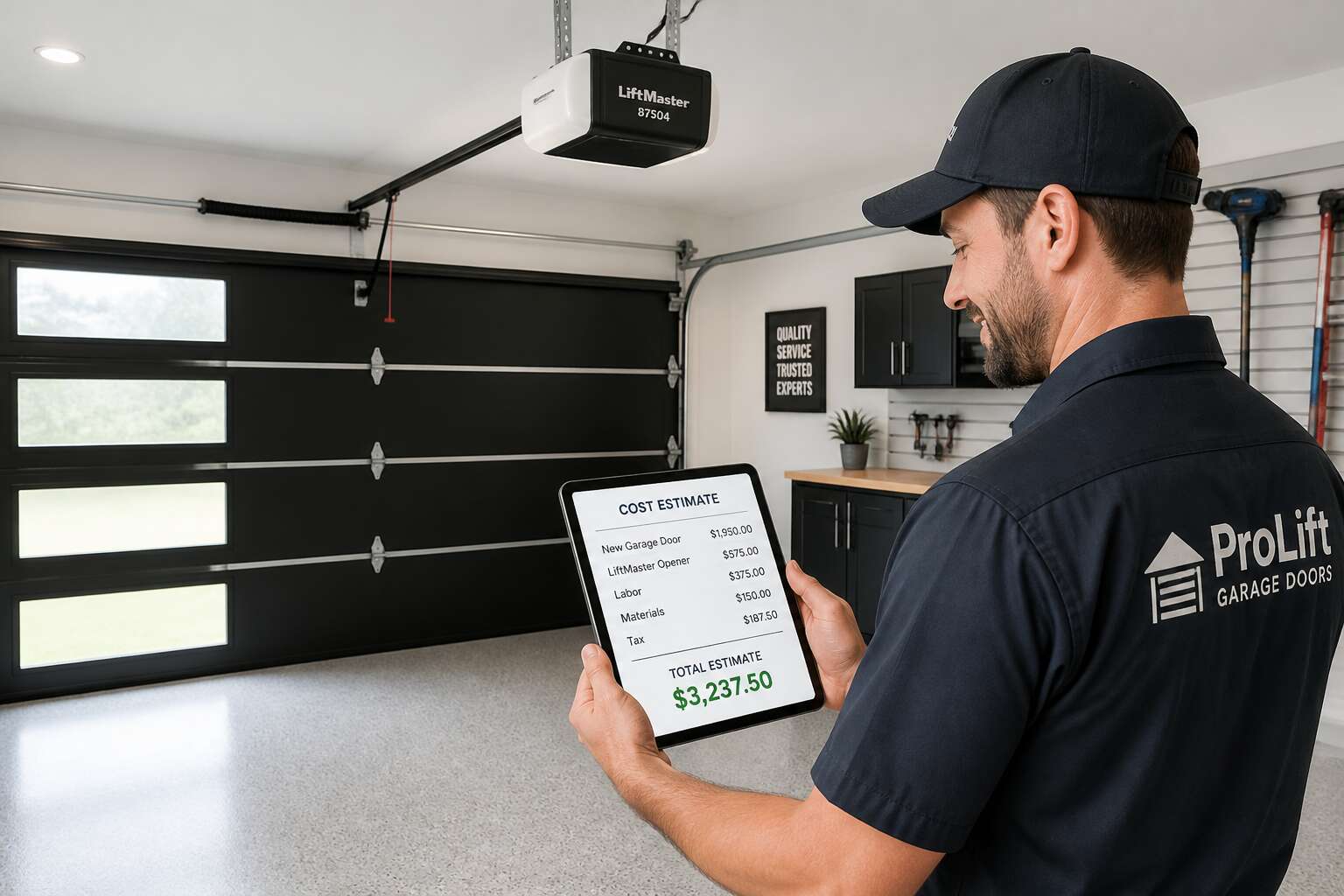
A garage door motor works thousands of times over its life. The motor, mounted on the rail, turns a sprocket. That sprocket moves a chain or belt, which pulls the trolley. The trolley connects to the door’s arm. A limit switch stops the motor at the right height. Safety sensors watch for anything in the path. Every piece affects reliability. Over time, gears wear and sensors shift.
When you replace an opener, the garage door motor and installation cost depends on more than just horsepower. It also depends on belt drive versus chain drive, AC versus DC motor, and whether new safety features are included. I have seen homeowners save on the motor but spend later on fixes. Knowing the parts tells you where you can compromise without losing security.
Motor Types and Drive Mechanisms Explained
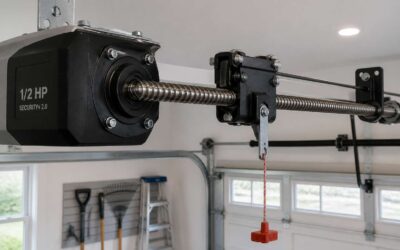
Many buyers fixate on power, yet the drive mechanism dictates how the door feels and sounds. Chain drives are dependable but clatter. Belt drives run quietly, which benefits attached garages. Screw drives need fewer moving parts and handle heavy timber doors. In South Africa’s heat, plastic gears wear quickly, so inspect the trolley design. The garage door motor and installation cost reflects these differences. A DC motor delivers smooth acceleration, while an AC motor often jolts the rail. That jolt causes premature wear on springs.
- Chain: cheapest, noisy, requires grease
- Belt: silent, durable, higher initial price
- Screw: strong, less common, sensitive to power surges
Choosing a motor without understanding these trade-offs leads to regret. A quiet opener costs more upfront, but it spares your family from grinding sounds at 6 a.m. The garage door motor and installation cost mirrors long-term value, separate from the sticker price. The real expense appears in repairs, not the initial quote.
How Horsepower Affects Lifting Performance
Most homeowners blame the motor when the door stalls. The culprit is usually a tired spring or a misaligned track. Your garage door system has four parts: motor, springs, cables, tracks. The springs do the heavy lifting. The motor provides the push. Ignore the springs, and the motor suffers. The garage door motor and installation cost reveals only part of the truth.
Horsepower decides how much mass the motor can manage smoothly. A 1/2 HP motor suits a single steel door. A 3/4 HP unit copes with a double wooden door. Oversizing wastes money, undersizing burns out gears.
Here are the load bearers:
- Spring balance: perfect tension lets the motor guide, not grunt
- Cable condition: frayed cables add drag and fake resistance
- Track alignment: a bent track makes every pull harder
These components decide if the garage door motor and installation cost ever becomes fair.
Safety Sensors and Smart Features That Add Value
Picture a garage door that slams shut on a bicycle. The safety sensor is the only thing standing between damage and repair. The garage door motor and installation cost in South Africa often sparks a debate about cheap versus sensible. I have learned to inspect the sensing beam and the auto reversal mechanism before signing anything.
A smart opener with remote diagnostics feels like a luxury, yet it prevents expensive failures. The backup battery alone keeps the motor functional during loadshedding. For a modest increase, you get real time alerts and a closing force that respects a stray finger.
- Photo electric sensors with a clean beam
- Manual release that works under pressure
- Smart hub with mobile connectivity
These components add value because they reduce your risk. The garage door motor and installation cost should include them. A motor without a safety net is a wasted expense.
Factors That Influence Garage Door Motor Costs
Drive System Type: Chain, Belt, or Screw
A single mechanical choice, the drive system, often determines a third of your total quote. Chain drives use a metal chain and sprocket, making them the cheapest to buy but the noisiest in operation. Belt drives replace that chain with a rubber belt, which raises the component cost while delivering quieter movement. Screw drives rely on a threaded steel rod, placing them between the two on price and upkeep!
Here in South Africa, that choice shifts the garage door motor and installation cost by a meaningful margin. A chain unit might save you two thousand rand upfront, but the noise and regular lubrication could become a recurring expense. Belt systems avoid that friction, while screw drives perform best in temperate weather, which fits parts of the Western Cape. Understanding this trade-off helps you avoid paying for features you do not need.
Horsepower Ratings and Lifting Capacity
In South Africa, the average steel garage door weighs between 80 and 120 kilograms. That mass becomes the deciding voice in horsepower ratings. A 1/2 horsepower motor lifts a single standard door comfortably, while a 3/4 horsepower unit handles double doors or heavier timber panels. The gap between these ratings often shifts the garage door motor and installation cost by one to three thousand rand.
- Door weight and insulation thickness
- Spring tension and track alignment
- Daily opening cycles for homes with busy families
Lifting capacity does not rely on horsepower alone. The condition of the springs and the balance of the door play equal roles. A poorly balanced door forces the motor to work harder, which shortens its life and inflates future repair bills. In coastal regions like Durban, humidity and salt air add resistance to moving parts, pushing you toward a higher rating. Buyers who match capacity to their actual door weight spend wisely, because over-specifying means paying for unused muscle while under-specifying invites strain and unexpected breakdowns.
Brand Reputation and Warranty Coverage
When you begin comparing quotes, the brand name on the motor housing often tells a longer story than the price tag. Established manufacturers have spent decades refining their gearboxes and circuit boards, so their units tend to run quieter and last longer. The initial outlay for a reputable brand is higher, but that premium frequently translates into fewer emergency callouts. Meanwhile, lesser known imports might tempt you with a lower garage door motor and installation cost, yet they often compromise on the quality of internal components. For a machine that operates daily for years, the cost per use usually favours the dependable choice.
Warranty coverage is the quiet promise behind your purchase. A two year warranty on a motor offers some peace of mind, but a five year cover on the drive mechanism shows genuine confidence from the manufacturer. What matters is reading the fine print to see which parts are included. Labour costs for replacements are not always covered, and that gap can affect your total garage door motor and installation cost later. In South Africa, where power surges are common, a warranty that covers the electronic board is invaluable. Batteries and remote controls are often excluded, so clarify that upfront.
– Check if the warranty covers both parts and labour
– Confirm whether surge damage is included in the cover
– Ask about the process for claiming in your province
– Verify the warranty duration on the motor versus the rail system
A longer warranty offers financial protection, but it also speaks to the expected lifespan of the product. When you pay a bit more for a motor with a decade of backing, you are effectively insuring against the stress of premature failure. The cheapest option rarely offers this safety net, and the risk of replacing the entire unit within three years outweighs any money saved at the outset. Balancing the brand’s reputation with the warranty terms gives you clarity, turning your garage door motor and installation cost into a calculated investment rather than a gamble.
Smart Home Integration and Connectivity Features
Smart home integration is no longer a luxury, it is a standard consideration when calculating garage door motor and installation cost in South Africa. WiFi enabled motors allow you to monitor and control the door from your phone, which adds a premium. The price difference between a basic motor and a connected model can be significant, but the convenience of closing the door remotely holds real value.
Connectivity features influence cost through the hardware required. A built in WiFi receiver, a backup battery for load shedding, and geofencing capabilities all raise the price. Ask which smart features are included in the base package; some suppliers charge separately for the WiFi module.
- Voice assistant compatibility with Google Home or Alexa
- Real time alerts when the door opens or closes
- Scheduled closing times for security
- Surge protection for the circuit board
Each added feature increases installation complexity, which affects labour charges. The full garage door motor and installation cost depends on how far you want to take your home automation.
Noise Levels, Insulation, and Energy Efficiency
Some motors sound like a jackhammer at 6am. Others barely whisper. This matters more than most people think, especially if your garage shares a wall with a bedroom. Noise levels directly affect the garage door motor and installation cost because quieter motors require better engineering. A belt drive unit runs far more silently than a chain drive, which is why it sits in a higher price bracket.
Insulation also changes the equation. A motor paired with an insulated door reduces heat transfer and energy waste. This is not about luxury. It is about efficiency. The garage door motor and installation cost can rise when you choose a motor with a stronger duty cycle or a soft start system. Those features protect the door over time. Energy efficiency often depends on the motor’s standby power draw. Newer models use less electricity.
Consider these noise and insulation factors:
– Motor housings with vibration dampeners
– Insulated guide rails
– DC motors with soft start and soft stop
– Thermal break technology in the door itself
Each one adds to the bottom line. The full garage door motor and installation cost reflects how well the system performs, not just how fast it opens. For South African homes, where heat and load shedding test equipment, a quieter, better insulated setup often lasts longer and costs less in the long run. Choose based on your specific noise tolerance and climate needs.
Professional Installation Cost Breakdown
Labor Rates and Typical Time Estimates
In South Africa, the labour component of a garage door motor and installation cost can account for up to a third of the final quote. That figure often shocks homeowners who assumed the motor itself was the only major expense. The reality is that a professional technician brings tools, experience, and liability cover, and that has a price.
Rates typically range from R350 to R600 per hour in major metros like Johannesburg or Cape Town. Outlying areas might see slightly lower figures, but the travel time gets added to the bill. For a standard single door, the job takes two to three hours. A double door or a reinforced sectional door can push that to four hours.
What does that mean for your total? A typical residential installation averages between R2,000 and R4,500 for labour alone. The motor itself might cost between R3,000 and R7,000, so the combined garage door motor and installation cost lands between R5,000 and R11,500. That is before any extra parts like new brackets or a replacement remote.
Several factors stretch the time estimate:
– Existing wiring that is outdated or damaged
– Concrete or brick lintels that need drilling
– Manual door tracks that require alignment
I have seen quotes where a technician charges a flat fee rather than an hourly rate. That flat fee often includes a call-out charge, which in South Africa typically sits at R400 to R700. If the installer needs to return for a fault within the first 90 days, that is usually covered. But you should ask about that upfront, because a second visit can add another call-out fee to your garage door motor and installation cost.
Electrical Wiring and Outlet Installation Considerations
Electrical work remains a part of the quote that homeowners often miss. The garage door motor and installation cost depends on the condition of your home’s wiring and the position of the nearest outlet. An old outlet might sit on a circuit shared with a geyser and oven, which invites nuisance trips. The motor needs a stable supply, ideally a dedicated breaker. The installer may need to run new cable from the distribution board, through roof trusses or concrete wall grooves. That adds material and hours. Common considerations:
– Distance from the motor to the distribution board
– Amperage rating of the existing circuit
– Requirement for surge protection or a new outlet
Each variable shifts the final figure before the motor turns.
Removing and Disposing of the Old Equipment
The old motor must come down before the new one goes up. That seems simple, but removal is part of the garage door motor and installation cost.
In many South African homes, the existing operator has been mounted for fifteen years or more. Bolts rust into the bracket. The unit can weigh twenty kilograms of steel and electronics. Getting it down safely takes time.
Disposal matters too. A motor contains copper windings and circuit boards. You cannot toss it in the municipal bin. Responsible removal means sorting recyclable metals and delivering the rest to a registered waste facility.
Removal tasks include:
- Unbolting the old motor from the ceiling bracket
- Disconnecting the drive rail and door arm
- Transporting the motor to a recycling depot
A clean removal might take twenty minutes. A corroded one can take an hour. That labour adds to the quoted garage door motor and installation cost.
Unexpected Repairs and Additional Parts That Drive Up Costs
The quoted garage door motor and installation cost assumes a perfect mechanism. Reality disagrees. After removing the old unit, we often find a torsion spring with micro-fractures, cables frayed to threads, or a track bent by years of slamming. None appear in the initial estimate. A motor cannot compensate for failing hardware.
Additional parts arrive without ceremony. A voltage regulator for a fluctuating municipal supply costs R800. A reinforced bracket for a spalled concrete ceiling demands R1,200. Each component carries its own labour, its own uncertainty. The final figure can exceed the first by thirty percent.
- Emergency release kit for power outages
- Shock absorbers for high-cycle doors
- Compatibility adapters for imported motors
These hidden costs are not betrayal. They are the physical truth of a system enduring storms and neglect. The garage door motor and installation cost, when honest, includes the cost of facing that reality.
How to Compare Quotes and Avoid Overpaying
Itemized Estimates vs. Flat Price Quotes
In South Africa, a flat price quote for a garage door motor and installation cost can look reassuringly simple, but it often conceals more than it reveals. I have seen homeowners pay nearly 25% extra simply because they accepted a bundled figure without asking for a breakdown. An itemized estimate lays bare every cable, bracket, and labour hour, giving you leverage to spot inflated line items.
A flat quote might feel safer, yet it masks critical details like the motor’s drive type or whether the electrician charges for travel time. When you compare, scrutinise what sits outside the quoted figure. Many hidden costs sneak in through removal fees or additional safety sensor wiring.
- Ask if the old operator’s disposal is included.
- Confirm whether the safety sensors are part of the garage door motor and installation cost.
Without this clarity, you could pay twice for a simple coil replacement. Request three separate quotes and compare the scope of work, not just the bottom line. The lowest estimate often omits the very parts that keep your system running safely.
Understanding Warranty Fine Print and Exclusions
Comparing quotes for a garage door motor and installation cost is like auditioning contractors for a one act play. The marketing is loud, but the script is what matters. That R3,500 quote may be a trap dressed in a shiny brochure. The R6,500 one might include the full rig, from mounting hardware to travel limits and force settings. Scrutinise the core components over the coat of varnish. Look for:
– The exact motor drive type (belt, chain, screw)
– The inclusion of safety sensor wiring and setup
– The electrician’s travel fee and trip charge
– The old door motor’s removal and disposal
Naturally, the warranty fine print deserves the same forensic attention. Voltage surges, power outages, and load shedding have a way of killing circuits. If a warranty names “power irregularities” as an exclusion, your backup battery just became your saviour. Ask what voids the terms. Better yet, ask what happens if a stray cricket triggers the safety beam repeatedly. It sounds absurd until your motor stops working. The warranty wording often excludes “environmental interference” or “unauthorised modifications.” This is where a cheap garage door motor and installation cost turns into an expensive lesson. That is why you demand the full documentation, and keep the receipt and logbook for every maintenance visit. The exceptional deal becomes a “Sunnyside special” when the terms hide the fine print.
Questions to Ask About Hidden Fees
Quotes for garage door motor and installation cost can look identical on the first line and diverge wildly by the last. The trick is to compare auxiliary expenses, not just the headline figure. One installer may quote without the vibration isolation kit, then add it as a compulsory extra. Another may charge a separate callout fee for the electrician to inspect an old outlet.
Ask these specific questions before signing:
- Does the quoted garage door motor and installation cost cover disposal of the old unit?
- Are socket extensions or new wiring included if the current power point is too far?
- What is the trip charge for your suburb, and does it change across a radius?
- Is remote programming with a smart hub an extra line item?
A low number without answers is a placeholder. The final invoice tells the truth. Compare what each fee actually buys. Then you will know which quote is a bargain and which is a burden.
Money-Saving Options and Long-Term Value
Bundling Motor and Installation Package Deals
A package deal changes the financial picture entirely. When the motor and installation are purchased together, the garage door motor and installation cost becomes a single line item. This clarity helps South African homeowners compare quotes without decoding separate labour fees.
Contractors can bundle because their overhead drops. One visit covers assessment, fitting, and testing. One invoice reduces administrative work. These savings often appear as a lower combined price.
Common package structures include:
1. Motor unit with standard remote controls and basic fitting.
2. Motor with upgraded remotes, battery backup, and full wiring.
3. Premium motor with smart connectivity and a longer warranty.
Long-term value emerges from fewer surprises. A bundled price usually includes small parts like brackets and fasteners, which otherwise become extras. Knowing the full obligation upfront makes the investment easier to manage.
Seasonal Promotions, Rebates, and Tax Incentives
Timing a purchase can lower the garage door motor and installation cost more effectively than any negotiation. South African retailers frequently discount automation hardware during Black Friday week and mid-year inventory clearances. Waiting for these periods can shave 15 to 25 percent off the motor unit alone. Installation quotes rarely move, but the combined bill drops when the largest component costs less.
A few suppliers offer claimable rebates:
- Cash-back deposits processed after proof of purchase is uploaded online.
- Trade-in allowances for old motors, typically R300 to R800 depending on condition.
- Bundle rebates when pairing the motor with a new door or intercom system.
Long-term value rests on operational savings. A correctly sized motor draws less electricity, and a well-maintained unit avoids premature failure. Some South African insurers reduce premiums for homes with automated security gates and garage doors. That reduction, paid out monthly, gradually offsets the initial motor and installation cost over the equipment’s lifetime.
Investing in Premium Motors for Durability and Performance
Chasing the lowest quote rarely produces the cheapest outcome. A budget motor reduces the immediate garage door motor and installation cost, but it often fails earlier. The labour to replace it resets the bill entirely.
Premium motors justify their price through durability. Their common features include:
- Sealed bearings that resist dust and moisture
- Thermal overload protection to prevent burnout
- Low standby power draw
These components reduce energy use and breakdown frequency. Over a ten year period, a reliable motor costs less per cycle than a budget model that needs repeated repairs. The right investment in quality lowers the total garage door motor and installation cost across the lifespan.
Flexible Financing Plans and Payment Options
A single payment for a new motor can strain a household budget. Flexible financing plans turn that lump sum into predictable monthly installments. Many South African providers offer interest free periods or reduced rates, which lowers the immediate garage door motor and installation cost while preserving cash flow. Consider these common options:
- Six month zero interest terms
- Twelve month installment plans
- Lay by arrangements for parts only
Long term value emerges when you pair financing with a premium unit. Spreading payments does not reduce the total price, but it enables timely replacement instead of delaying repairs. That decision prevents emergency callouts and further damage, which ultimately protects the overall garage door motor and installation cost.
0 Comments