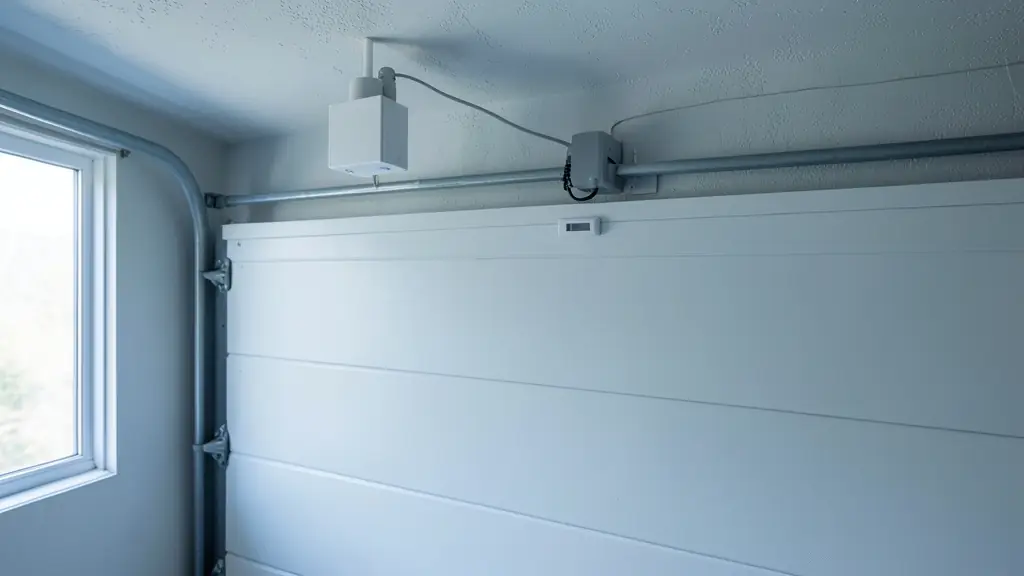
A smart garage door opener is usually not a new motor. It is a small Wi-Fi or GSM module wired to the motor you already have, which lets you open and close the door from a phone app and tells you whether it is open or shut. It suits people who forget whether they closed the door, families who share access with a domestic worker or a visitor, and landlords who would rather not hand out remotes. Here is how they work, what they need and what to think about before you add one.
Wi-Fi or GSM
- Wi-Fi modules connect to your home router. They need a good signal in the garage, which is often the weakest spot in the house.
- GSM modules take a SIM card and work on the cellular network, useful where there is no Wi-Fi at the door or for gates far from the house. The SIM needs airtime or a data bundle.
Many modules work on gate motors too. See sliding gate motors and access control.
Sensors, alerts and sharing access
A door position sensor on the door or track tells the app whether the door is open or closed, and many apps send an alert if the door stays open longer than you set. Access can be shared with family, tenants or a cleaner and removed when it is no longer needed, which beats chasing a lost remote. Some keep a log of who opened the door and when. Ask the installer which features the module on the quote actually has. Some modules can also switch a gate motor and a garage door from the same app, which is handy if you drive in through both. For a complex or estate with many users, a dedicated access system is usually a better fit than one owner's app account.
Load shedding and the router
A smart opener only works if every part of the chain has power. The motor's battery may keep the door running, but if the router is off the Wi-Fi module loses its connection, and if the cellular tower is down so does a GSM module. Put the router on a small backup power unit, and keep a normal remote as well, because a remote talks straight to the receiver.
Keeping the account secure
The app becomes a key to your house. Use a strong, unique password on the account, turn on any two-step sign-in it offers, and remove people who no longer need access. Keep the module's firmware updated if the maker releases updates. Ask the installer to fit the module where it can't be reached from outside the garage. When you sell the house or a tenant moves out, reset the module and change the account so the old users lose access. Check with your insurer whether they need to know about remote access to the house.
What to put in your request
- Your motor's make and model
- Wi-Fi signal in the garage, or a SIM instead
- How many doors or gates to connect
- Whether you want a door position sensor
- Who needs access: family, tenants, staff
Smart Garage Door Openers for homes, complexes, estates, shops, warehouses, farms and more
- Houses: a Wi-Fi module on the garage door motor with open and close alerts
- Townhouse complexes and body corporates: GSM or app access for residents and visitors at a shared gate
- Security estates: app control that sits alongside the estate's own access system
- Offices and business parks: phone access for staff to parking gates without handing out remotes
- Shops, restaurants and filling stations: remote checks that the back door or shutter is closed after hours
- Factories, warehouses and workshops: GSM modules on yard gates for drivers arriving after hours
- Farms, smallholdings and lodges: GSM modules on gates far from the house and out of Wi-Fi range
- Schools, clinics and public buildings: app access for caretakers and staff at schools and churches
- Builders and developers: smart modules on rental units so access moves with each tenant
Frequently asked questions
Do you sell or fit smart openers yourselves?
No. We are a free quote request service. Independent installers in your area who fit smart modules receive your request and quote you directly. Tell them the motor you have, how many doors and gates to connect, and whether the garage has a Wi-Fi signal.
Will a smart module work with my motor?
Many modules connect to the same terminals as a wall button, so they work with most motors. Some motors have their own modules. Tell installers the motor's make and model, and they will tell you what fits.
Can I fit it myself?
Some modules are made for owners to fit, but the wiring goes into the motor's control board. If you are unsure, have an installer do it and test the safety beams and obstruction sensing afterwards.
Is it safe to close the door when I can't see it?
Only if the motor's obstruction sensing works and there are safety beams across the opening. Have them checked before you rely on closing the door remotely.